Introduction
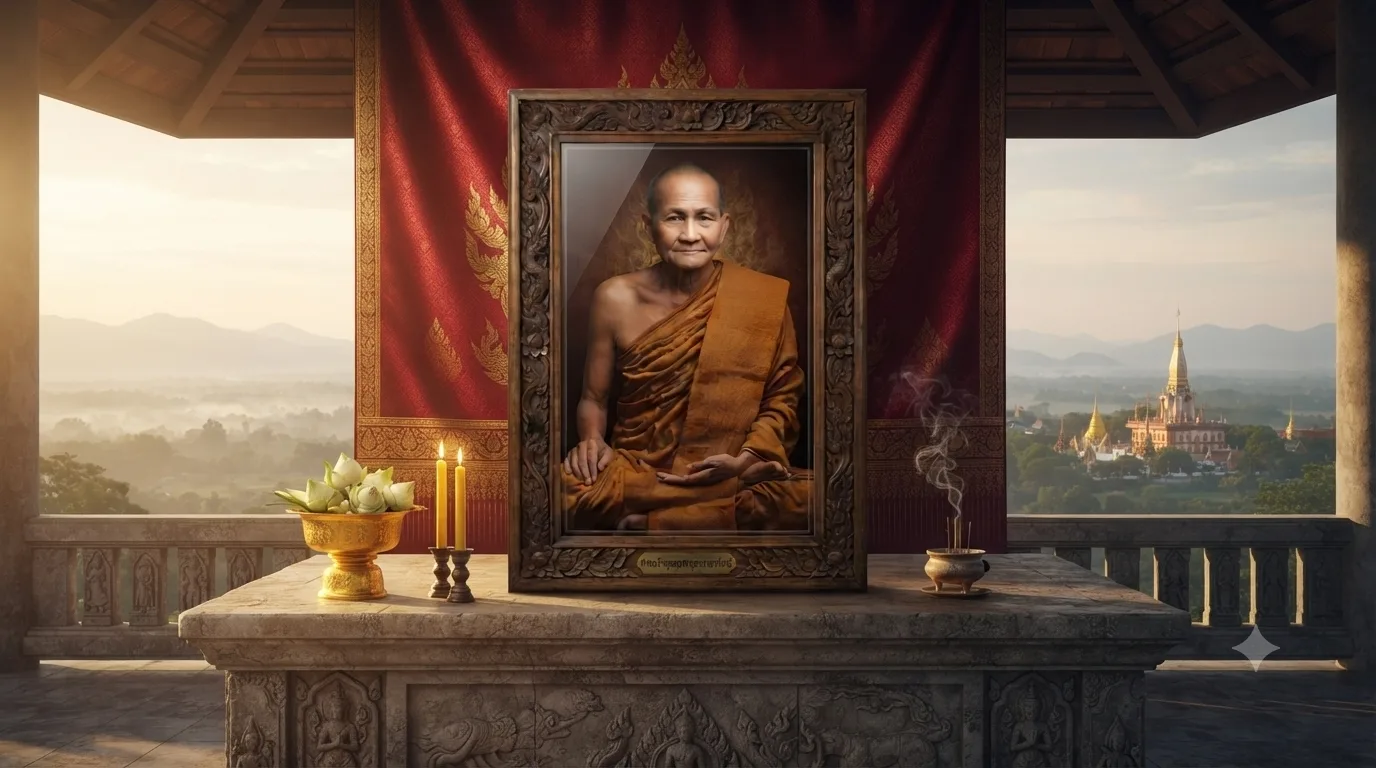
Luang Phor Parn (หลวงพ่อปาน วัดบางนมโค) is regarded as one of Thailand's greatest Buddhist monks and among the country's most respected creators of sacred amulets. As the former abbot of Wat Bang Nom Kho in Ayutthaya Province, he devoted his life to meditation, teaching the Dhamma, and helping local communities through compassion and wisdom.
His animal-impressed sacred amulets are recognized throughout Thailand and internationally for their distinctive designs and deep Buddhist symbolism. More importantly, Luang Phor Parn consistently taught that the greatest protection comes from practicing generosity, moral discipline, mindfulness, and compassion rather than relying solely on sacred objects.
Early Life
Luang Phor Parn was born in 1875 (B.E. 2418) in Ayutthaya Province, Thailand. Growing up in a farming family, he learned the values of honesty, diligence, humility, and kindness from an early age.
Following Thai tradition, he entered the monastery as a novice where he received his education in Buddhist scriptures, Pali language, meditation, and temple rituals. His dedication to learning and practicing the Buddha's teachings quickly earned the respect of both monks and laypeople.
Ordination and Spiritual Development
After receiving full ordination, Luang Phor Parn dedicated his life to studying the Dhamma and practicing meditation. He sought knowledge from respected Buddhist teachers while deepening his understanding of mindfulness, concentration, and wisdom.
His simple lifestyle, strict observance of monastic discipline, and compassionate nature gradually established him as one of the most respected monks in central Thailand.
Abbot of Wat Bang Nom Kho
Luang Phor Parn later became the abbot of Wat Bang Nom Kho, located in Sena District, Ayutthaya Province.
Under his leadership, the temple became an important center for:
- Buddhist education
- Meditation practice
- Merit-making
- Community service
- Sacred amulet creation
- Religious ceremonies
People traveled from across Thailand to receive his blessings, seek spiritual guidance, and make merit at Wat Bang Nom Kho.
The Famous Animal Amulets
Luang Phor Parn is best known for creating the famous animal-impressed Phra Khun Paen amulets. Each animal symbolizes particular virtues and aspirations rooted in Thai Buddhist beliefs and traditional symbolism.
Garuda (Krut)
The Garuda represents authority, leadership, protection, courage, and success. It is especially popular among government officials, business owners, and those seeking advancement.
Hanuman
Hanuman symbolizes bravery, loyalty, determination, perseverance, and strength. It remains one of the most popular designs among collectors.
Rooster
The Rooster signifies diligence, prosperity, confidence, career advancement, and business success.
Fish
The Fish symbolizes abundance, smooth progress, happiness, fertility, and financial prosperity.
Bird
The Bird represents freedom, opportunity, safe travel, and positive change in life.
Monkey
The Monkey symbolizes intelligence, adaptability, creativity, quick thinking, and problem-solving abilities.
Sacred Amulet Creation
Luang Phor Parn carefully supervised the creation and blessing of his amulets using traditional sacred materials.
These materials often included:
- Blessed temple powder
- Sacred herbs
- Holy clay
- Incense ash
- Flower pollen
- Ancient yantra inscriptions
Each blessing ceremony included chanting ancient Buddhist scriptures and protective verses handed down through respected monastic traditions.
Buddhist Teachings
Although famous for his sacred amulets, Luang Phor Parn emphasized that true spiritual protection comes from practicing the Buddha's teachings.
He encouraged devotees to cultivate:
- Generosity (Dana)
- Moral discipline (Sila)
- Meditation (Bhavana)
- Mindfulness (Sati)
- Wisdom (Paññā)
- Loving-kindness (Metta)
- Compassion (Karuna)
- Patience (Khanti)
- Honesty
- Respect for parents and teachers
He reminded followers that sacred amulets should inspire ethical living and serve as reminders of Buddhist principles rather than objects of superstition.
Legacy
Luang Phor Parn's influence continues long after his lifetime. His teachings remain respected throughout Thailand, while Wat Bang Nom Kho continues to welcome devotees and collectors.
His legacy lives on through:
- Wat Bang Nom Kho
- His famous animal amulets
- Buddhist teachings
- Traditional blessing ceremonies
- The continued practice of merit-making
- Generations of devotees inspired by his example
Collecting Luang Phor Parn Amulets
Authentic Luang Phor Parn amulets remain among the most sought-after Thai Buddhist amulets.
Collectors value them for their:
- Historical importance
- Unique animal designs
- Fine craftsmanship
- Buddhist symbolism
- Limited surviving originals
- Strong collector demand
Because of their popularity, collectors should purchase only from reputable dealers and carefully verify authenticity.
Conclusion
Luang Phor Parn of Wat Bang Nom Kho remains one of Thailand's most respected Buddhist monks. His wisdom, compassion, meditation practice, and extraordinary animal-impressed amulets have earned him lasting admiration among Buddhists and collectors alike.
His teachings remind us that generosity, mindfulness, ethical conduct, and compassion are the true foundations of spiritual development. His sacred amulets continue to serve as enduring symbols of faith and as reminders to practice the Buddha's path in everyday life.